
Solar energy has transformed various sectors, including agriculture and water management, due to its sustainability and cost-effectiveness. Companies like Jayuan are pioneering the way forward in solar-powered solutions. In this article, we'll take a deep dive into how to install solar water pumps, understand the underlying principles of their operation, and explore the benefits of using solar panels for agricultural pumps and solar submersible pumps with battery backup.
Understanding Solar Water Pump Working Principle
Before diving into the installation, it's crucial to understand the solar water pump working principle. A solar water pump essentially uses energy from solar panels to pump water. The pump system usually consists of solar panels, a pump, a controller, and possibly a battery backup for submersible pumps.
When sunlight strikes the photovoltaic cells in the solar panels, it generates direct current (DC) electricity. This electrical power is directed to the pump controller, which regulates the voltage and current to ensure optimal pump performance. The pump then converts the electrical energy into mechanical energy, lifting water from wells, rivers, or other water sources.
For enhanced reliability, particularly in areas with variable weather patterns, a solar submersible pump with battery backup is highly beneficial. The battery stores excess energy, which can be used during cloudy days or at night, ensuring a consistent water supply.
Step-by-Step Guide to Solar Pump Installation
1. Site Assessment and Preparation
The first step in installing a solar water pump system is a thorough site assessment. Identifying the best location for maximum sunlight exposure is essential. The site should ideally have a minimum of 6-7 hours of direct sunlight per day. Additionally, survey the water source location and the required flow rate for effective pump sizing.
Once you have selected the site, clear the area of any obstructions like trees or buildings that may cast shadows on the solar panels. Also, ensure the ground is stable enough to support the solar panel mounting structure and the pump.
2. Assembling and Mounting the Solar Panel
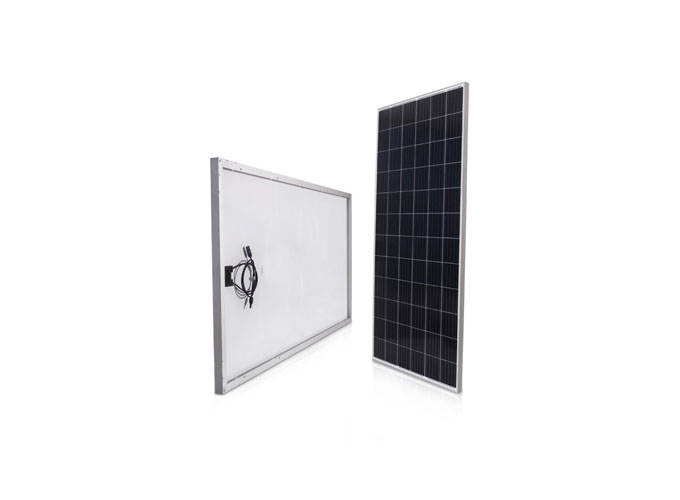
Next comes the most crucial component: the solar panel for agriculture pump. Jayuan offers high-efficiency solar panels designed to withstand harsh weather conditions, making them ideal for agricultural use.
Mounting Structure: Start by assembling the mounting structure, which should be tilted at an angle that matches the latitude of your location for optimal sunlight absorption.
Installing Solar Panels: Securely attach the solar panels to the mounting structure. Ensure all panels are aligned correctly and securely fastened to prevent any movement or damage from wind or other environmental conditions.
Wiring: Connect the solar panels using appropriate cables and connectors. Ensure that all connections are tight and weatherproof to prevent shorts and inefficiencies.
3. Installing the Pump and Controller
Now that the solar panels are set up, the next step is to install the pump and controller.
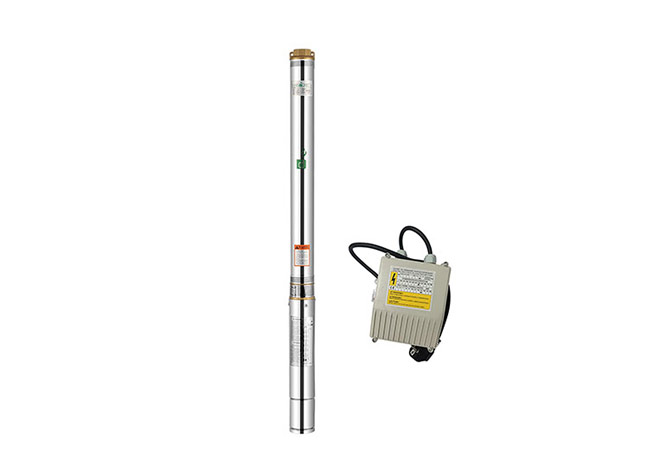
Pump Installation: For a solar submersible pump, ensure the pump is submerged at the recommended depth in the water source. Jayuan's solar pumps come with detailed manuals specifying the ideal installation depth and conditions.
Controller Setup: The controller acts as the brain of the system, ensuring optimal operation. Install the controller close to the pump and solar panels but in a shaded or covered area to protect it from direct sunlight and adverse weather. Connect the pump to the controller using the appropriate wiring.
Battery Backup Installation: If you are using a solar submersible pump with battery backup, install the battery in a cool, dry, and shaded location. Connect it to the controller following the manufacturer's instructions.
4. System Testing and Commissioning
After everything is set up, it’s time to test the system.
Initial Testing: Switch on the system and monitor the initial operation. Check all connections and ensure the pump starts operating. Jayuan systems have indicators on the controller that help monitor solar input, output, and any faults.
Flow Rate Adjustment: Adjust the flow rate as needed to meet your requirements. Refer to the guidelines in the Jayuan manual to make precise adjustments.
Troubleshooting: If you encounter any issues, consult the troubleshooting section of the Jayuan manual or contact their customer support for assistance.
Benefits of Solar Water Pump Systems
Sustainable and Cost-Effective
Solar water pumps offer a sustainable solution by using renewable energy. This significantly reduces operational costs as there are no fuel expenses, offering long-term financial savings.
Low Maintenance
These systems generally require minimal maintenance. Jayuan’s solar panels are designed to be durable and resilient, needing only occasional cleaning and inspection.
Versatile Applications
From irrigation in agriculture to providing drinking water in remote areas, solar water pumps are versatile and can be adapted to various needs. The availability of solar submersible pumps with battery backup further enhances their reliability in diverse conditions.
Choosing the Right Solar Water Pump Company
Selecting the right solar water pump company is crucial for a successful installation. Jayuan stands out for its commitment to quality, innovation, and customer support. Their range of products is designed to meet the unique demands of agricultural and general water management applications.
In conclusion, solar water pump systems are transforming the way we access and use water. With a clear understanding of the solar water pump working principle and a systematic installation process, you can harness the power of solar energy to achieve operational efficiency and sustainability. Choose a reputable company like Jayuan for reliable products and exceptional support. Install a solar water pump system today and take a step towards a greener future!