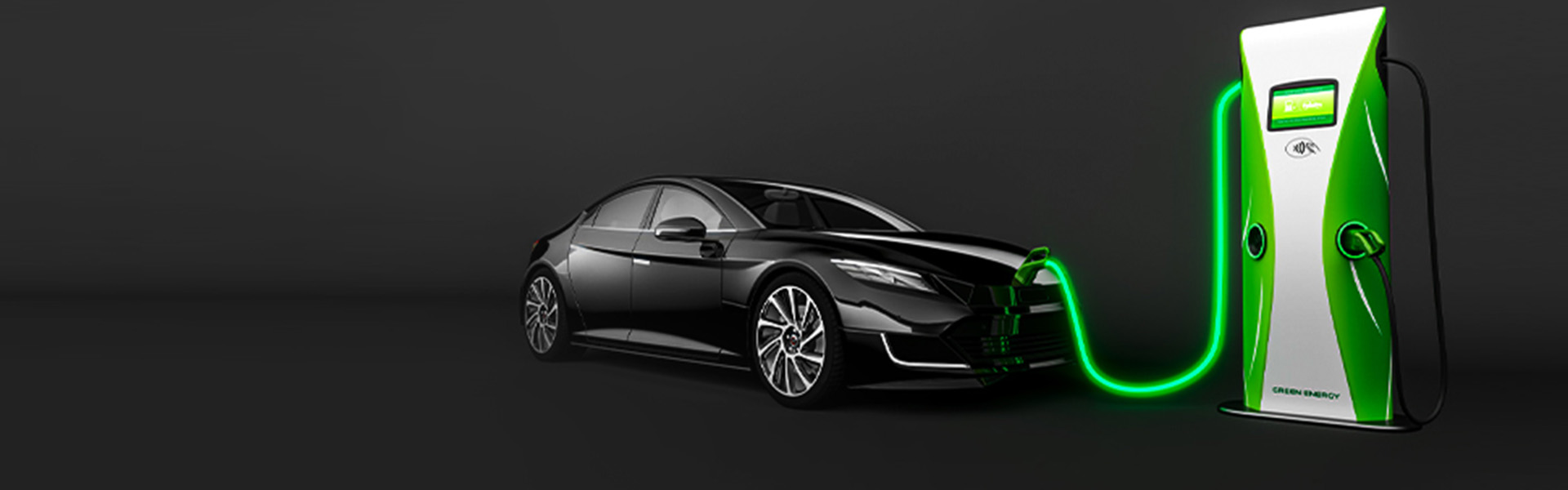
As electric vehicles (EVs) continue to gain popularity worldwide, choosing the right charging cable becomes essential for safe and efficient charging. Among various standards, the ev charging cable type 2 has become the dominant solution in Europe and many global markets.
In this guide, we’ll explore how Type 2 cables work, compare ev charger type 1 vs type 2, and explain why the iec 62196 type 2 socket has become the industry standard. We’ll also show how Jayuan delivers reliable EV charging solutions for both residential and commercial use.
What Is an EV Charging Cable Type 2?
A Type 2 EV charging cable, also known as the Mennekes connector, is designed according to the IEC 62196 standard. It supports both single-phase and three-phase charging, making it highly versatile for different power requirements.
The iec 62196 type 2 socket is widely used in Europe and is now being adopted in many other regions due to its safety, flexibility, and compatibility with modern EV infrastructure.
Key Features:
Supports up to 22 kW (AC charging)
Compatible with most European EV models
Designed for both public and private charging stations
Enhanced safety with secure locking mechanism
Because of these advantages, the ev charging cable type 2 is now considered a future-proof choice for EV owners.
EV Charger Type 1 vs Type 2: What’s the Difference?
Understanding the difference between ev charger type 1 vs type 2 is crucial when selecting the right charging cable.
1. Connector Design
Type 1 (SAE J1772): Single-phase, 5-pin design
Type 2 (IEC 62196): 7-pin design, supports single and three-phase
2. Charging Speed
Type 1: Typically up to 7.4 kW
Type 2: Up to 22 kW or higher depending on infrastructure
3. Regional Usage
Type 1: Common in North America and Japan
Type 2: Standard in Europe and increasingly global
4. Locking Mechanism
Type 1: No automatic locking
Type 2: Built-in locking system for improved safety
Why the IEC 62196 Type 2 Socket Is the Global Standard
The iec 62196 type 2 socket has become the backbone of EV charging infrastructure for several reasons:
Universal Compatibility
It works with a wide range of EV brands and charging stations, ensuring seamless charging across different locations.
Scalability
From home wallboxes to commercial charging stations, the Type 2 interface adapts easily to different power levels.
Safety Compliance
Designed with strict European safety standards, it ensures protection against overheating, overcurrent, and improper connections.
Future-Proof Design
As EV technology evolves, the iec 62196 type 2 socket remains compatible with new models and charging innovations.
Choosing the Right EV Charging Cable Type 2
When selecting an ev charging cable type 2, consider the following factors:
1. Cable Length
Choose a cable length that fits your parking and charging setup—typically between 5m and 10m.
2. Power Rating
Ensure the cable supports your charger’s output (e.g., 16A or 32A, single or three-phase).
3. Durability
Look for weather-resistant and high-quality materials, especially for outdoor use.
4. Certifications
Make sure the cable complies with IEC standards to guarantee safety and performance.
Why Choose Jayuan EV Charging Solutions?
Jayuan has established itself as a trusted manufacturer in the EV charging industry, offering high-quality products tailored for global markets.
Advantages of Jayuan:
Strict compliance with iec 62196 type 2 socket standards
Durable and flexible cable materials for long-term use
Customizable solutions for OEM/ODM clients
Reliable performance in both residential and commercial environments
By choosing Jayuan, businesses and EV owners can ensure safe, efficient, and future-ready charging infrastructure.
Applications of Type 2 EV Charging Cables
The ev charging cable type 2 is widely used in:
Home EV charging stations
Public charging networks
Commercial parking facilities
Fleet management systems
Its versatility makes it suitable for both individual users and large-scale deployments.
Conclusions
As the EV market continues to expand, selecting the right charging standard is more important than ever. The ev charging cable type 2, backed by the iec 62196 type 2 socket, offers unmatched compatibility, safety, and performance.
When comparing ev charger type 1 vs type 2, it’s clear that Type 2 is the better long-term investment for most users.
With high-quality solutions from Jayuan, you can confidently meet the demands of modern EV charging—whether at home or across a growing charging network.
Popular Solar Products & EV Charging