
With the growing interest in renewable energy sources, solar panels are increasingly becoming a popular choice. Among the different types of solar panels available in the market, polycrystalline solar panels have garnered significant attention. This article aims to offer a detailed look into polycrystalline solar panels, their manufacturing process, characteristics, and whether they are worth the investment.
What are Polycrystalline Solar Panels?
Polycrystalline solar panels, also known as multicrystalline panels, are composed of multiple silicon crystals. Unlike monocrystalline panels, which are made from a single crystal structure, polycrystalline panels are formed by melting several silicon fragments together. This process creates a blueish hue and a cell structure that appears fragmented and less uniform compared to monocrystalline panels.
How are Polycrystalline Solar Panels Made?
The manufacturing process of polycrystalline solar panels involves melting raw silicon and pouring it into a mold to form a square-shaped ingot. Once cooled, the silicon ingot is sliced into thin wafers, which are then treated and assembled into solar cells. The solar cells are connected and placed between layers of glass, backsheet, and encapsulant to form a solar panel.
What are the Characteristics of Polycrystalline Solar Panels?
Polycrystalline solar panels have several distinct characteristics:
1. Efficiency: Generally, polycrystalline panels offer lower efficiency, ranging from 15% to 17%, compared to monocrystalline panels, which can have efficiencies over 20%.
2. Cost: One of the key advantages of polycrystalline panels is their lower cost, making them an affordable option for budget-conscious consumers.
3. Temperature Coefficient: Polycrystalline panels tend to have a higher temperature coefficient, meaning they are less efficient at high temperatures compared to their monocrystalline counterparts.
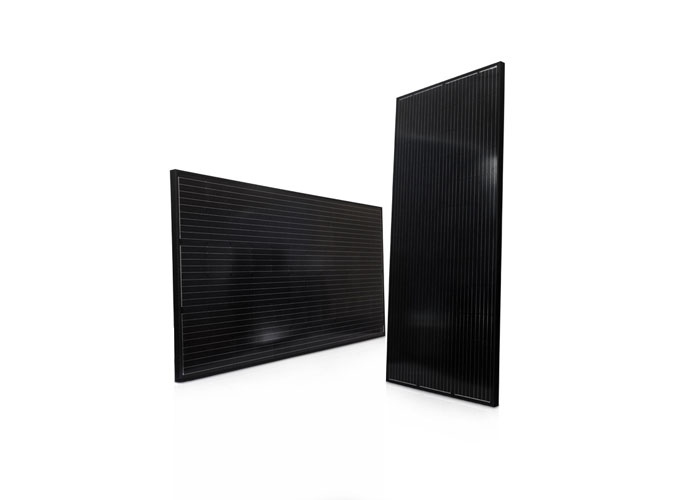
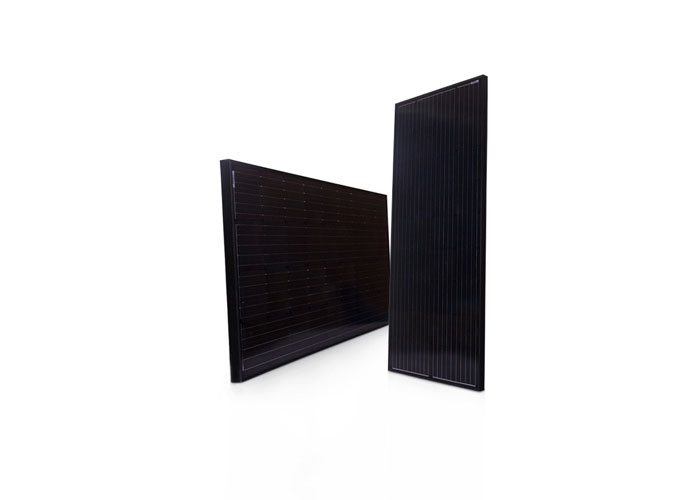
4. Aesthetic: The appearance of polycrystalline panels is usually blue and has a less uniform look due to the fragmented crystal structure.
How Long Do Polycrystalline Solar Panels Last?
Polycrystalline solar panels are known for their durability and longevity. Typically, they come with a warranty of 25 years, and with proper maintenance, they can last even longer. Despite the lower efficiency, their robust construction ensures that they continue to produce energy for decades.
Are Polycrystalline Solar Panels Worth it?
The biggest selling point of polycrystalline solar panels is their cost-effectiveness. They are generally cheaper to produce and buy compared to monocrystalline panels. This makes them an attractive option for residential and commercial projects where cost is a critical factor.
Furthermore, their longevity and decent efficiency make them a practical choice for areas with ample sunlight. For instance, if you're looking for solar panels for camping South Africa, polycrystalline panels offer a budget-friendly and reliable solution.
Which is Better: Monocrystalline or Polycrystalline Solar Panels?
The choice between monocrystalline and polycrystalline solar panels boils down to your specific needs and budget. Monocrystalline panels offer higher efficiency and better performance in low-light conditions, but they come at a higher price point. On the other hand, polycrystalline panels are more affordable, have a decent efficiency range, and work well in moderate climates.
If your primary concern is maximizing energy output and you have a larger budget, monocrystalline panels might be the better option. However, if you are looking for a more cost-effective solution with a respectable performance, polycrystalline panels are a good choice.
Polycrystalline Solar Panels for Sale
For those considering purchasing polycrystalline solar panels, brands like Jayuan offer a variety of options. You can easily find polycrystalline solar panels for sale through various distributors and online retailers. Jayuan's products come with warranties and customer support, making them a reliable choice for your solar energy needs.
Difference Between Polycrystalline and Multicrystalline Solar Panels
The terms "polycrystalline" and "multicrystalline" are often used interchangeably. However, some industry experts use the term "multicrystalline" to refer to solar panels that have a more precise control over the crystallization process, leading to slightly better efficiency. Despite this subtle difference, both types generally share the same core characteristics and manufacturing processes.
Conclusion
Polycrystalline solar panels offer a viable, cost-effective solution for those looking to adopt solar energy. With their decent efficiency, long lifespan, and lower cost compared to monocrystalline panels, they present a balanced choice for various applications, from residential installations to solar panels for camping in South Africa. Brands like Jayuan provide reliable options with their range of polycrystalline solar panels for sale.
For more detailed information on specific models or to make a purchase, you can visit Jayuan's official website or download their catalog via the Jiayuan download link. By carefully assessing your needs and budget, you can make an informed decision on whether polycrystalline solar panels are the right choice for you.